

Obstetrics & Gynecology
Dr. Beauty Banerjee
MBBS · MS · DNB
Women’s health and pregnancy care including high-risk obstetrics and common gynecological concerns.
View profileBlossom Maternity & Child Care Hospital
Women’s Health · Lalpur, Ranchi
Looking for an experienced gynecologist in Ranchi? Blossom Maternity & Child Care Hospital provides specialist care for pregnancy, normal delivery planning, PCOS, irregular periods, infertility concerns and other women’s health needs in Lalpur, Ranchi.
Conditions & Treatments
Explore common gynecological concerns, preventive women’s health, pregnancy-related care and treatment areas supported by our gynecology team in Ranchi.
Not sure which consultation you need? Request a gynecology appointment and our team can guide you.
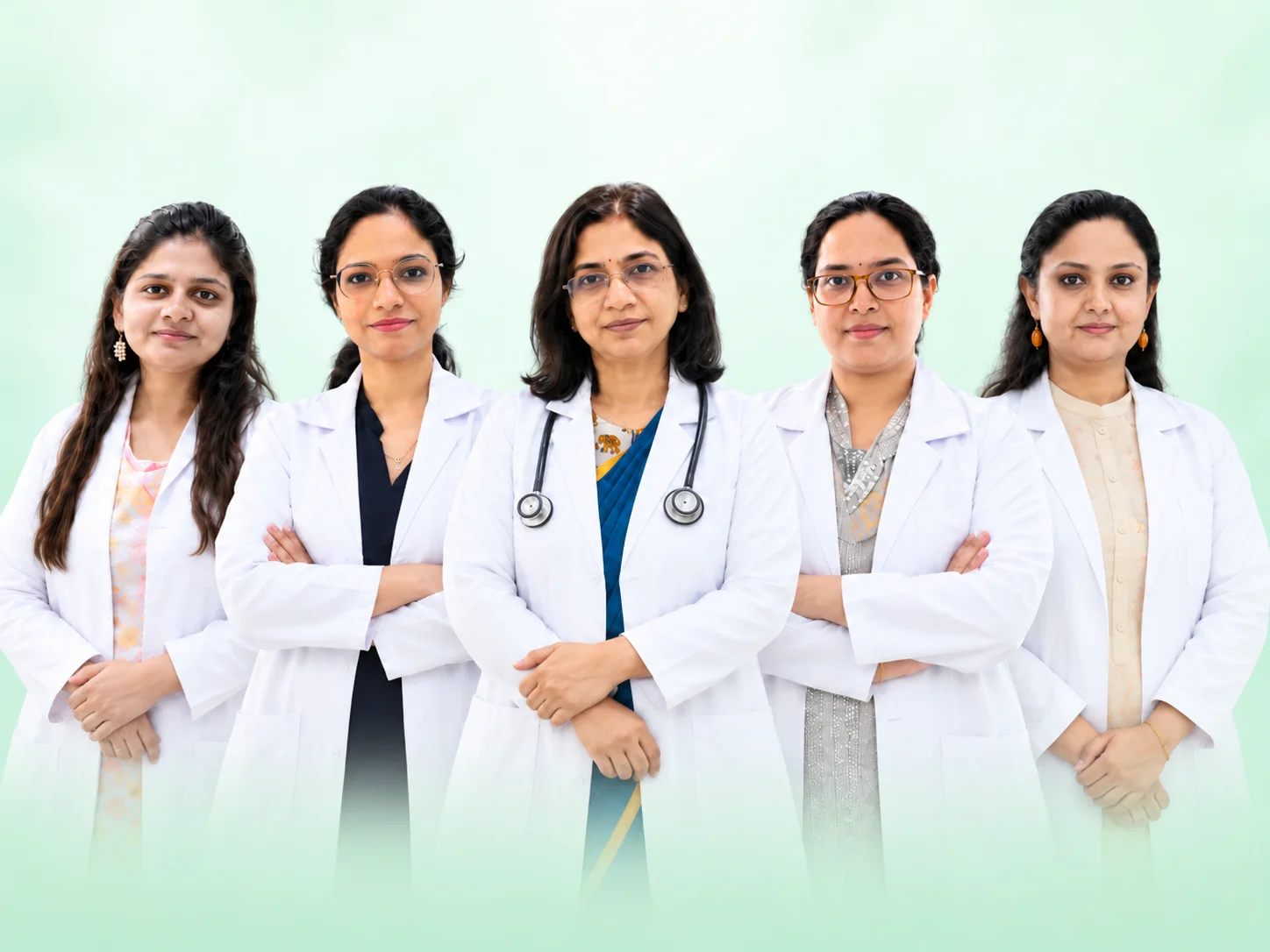
Our Gynecology Team
Consult experienced lady gynecologists at Blossom for women’s health, pregnancy care, PCOS, menstrual concerns and gynecological treatment in Lalpur, Ranchi.
Obstetrics & Gynecology
MBBS · MS · DNB
Women’s health and pregnancy care including high-risk obstetrics and common gynecological concerns.
View profile →
Obstetrics & Gynecology
MBBS · DNB
Pregnancy and gynecology care with experience in hysteroscopy, laparoscopy and infertility evaluation.
View profile →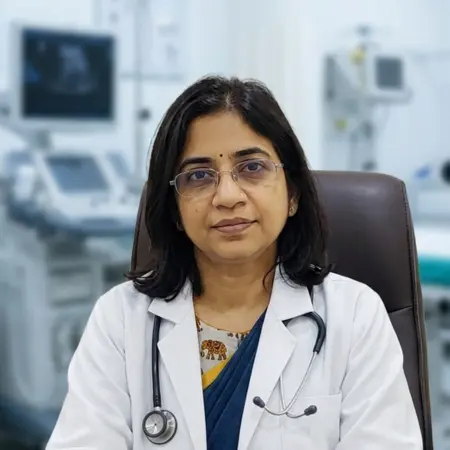
Obstetrics & Gynecology
MBBS · DGO · MS
Pregnancy, high-risk obstetrics, PCOS, infertility and minimally invasive gynecological care.
View profile →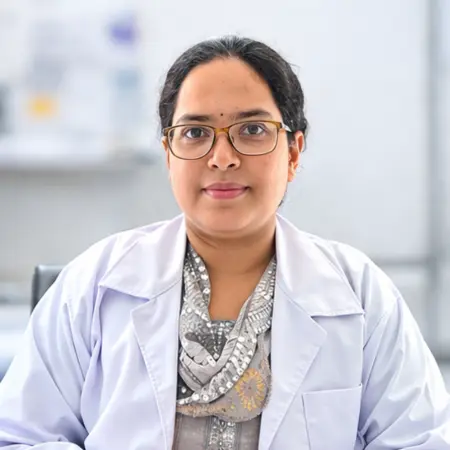
Obstetrics & Gynecology
MBBS · MS · DNB · FMAS
Women’s health, maternity and gynecological care with training in minimally invasive surgery.
View profile →Why Blossom
Choosing a gynecologist is about more than finding a nearby doctor. It is important to have access to appropriate specialists, maternity support and coordinated care when your health needs change.
Consider the doctor’s experience, communication, access to pregnancy and maternity care, diagnostic support and whether specialist services are available when they are needed.
Gynecology, pregnancy and maternity care are available within one coordinated hospital setting.
Access a team of lady gynecologists with experience across women’s health and obstetric care.
Fetal medicine, newborn and pediatric services allow coordinated support across pregnancy and after birth.
Laparoscopy and hysteroscopy may be considered for selected gynecological conditions when appropriate.
Gynecology FAQs
Helpful answers about women’s health, pregnancy care, PCOS, normal delivery and consulting a gynecologist at Blossom.
Consider the doctor’s experience, the type of women’s health concern you have, access to pregnancy and maternity support, diagnostic facilities, communication and whether additional specialist services are available when required.
Yes. Blossom Maternity & Child Care Hospital has multiple lady gynecologists providing consultations for pregnancy, menstrual concerns, PCOS and other women’s health needs. Doctor availability may vary, so an appointment can be requested in advance.
A gynecologist or obstetrician can assess your pregnancy, medical history and individual risk factors and discuss delivery planning with you. Whether a normal vaginal delivery is appropriate depends on the health of the mother and baby and how the pregnancy progresses.
A consultation may be useful if periods are frequently irregular, very heavy, unusually painful or absent, or if you have symptoms such as excessive hair growth, acne, weight changes or difficulty conceiving. PCOS requires clinical evaluation and is not diagnosed by ultrasound alone.
No. A pelvic examination is not automatically required at every visit. Your gynecologist will decide whether an examination or investigation is useful based on your symptoms, age, medical history and the reason for consultation.
Bleeding that is unusually heavy, prolonged, occurs between periods, happens during pregnancy or occurs after menopause should be medically evaluated. The cause may be hormonal or gynecological, and appropriate assessment is needed to determine the reason.
Blossom Maternity & Child Care Hospital is located on the 2nd Floor of Western Mall at Dangratoli Chowk, Lalpur, Ranchi. You can request an appointment online or call the hospital team for doctor availability and directions.
Laparoscopy and hysteroscopy may be considered for selected gynecological conditions when clinically appropriate. Your gynecologist will first evaluate the condition and discuss suitable medical or surgical options.
Request an appointment and our team can help you check doctor availability and choose the appropriate specialist.
Gynecologist in Ranchi for Comprehensive Women’s Health Care
Consult an experienced gynecologist in Ranchi at Blossom Maternity & Child Care Hospital for personalised care related to menstrual problems, PCOS, pelvic pain, infections, menopause and preventive women’s health. Women’s health needs change through adolescence, the reproductive years, pregnancy planning, perimenopause and menopause. Symptoms such as irregular periods, pelvic pain, unusual discharge or heavy bleeding should not be dismissed simply because they are common.
Blossom Maternity & Child Care Hospital provides confidential, evidence-based gynecology care for routine concerns, chronic conditions, preventive screening and conditions that may require surgery.
Our gynecology team is here to answer your women’s health questions and connect you with the appropriate specialist at Blossom Maternity & Child Care Hospital. Whether you are concerned about irregular periods, PCOS, pelvic pain, unusual discharge, fibroids, menopause symptoms or preventive screening, timely guidance can help you make informed decisions about your health. Share your details or contact our reception team, and we will assist you with the right consultation and appointment. Taking early, proactive steps can support better health and well-being at every stage of a woman’s life.
Changes in menstrual frequency, duration or flow may be associated with:
Evaluation may include a detailed history, examination when indicated, blood tests, pregnancy testing, ultrasound or endometrial assessment depending on age, symptoms and risk factors. Abnormal uterine bleeding can occasionally be associated with precancerous or cancerous conditions, particularly after menopause, and therefore requires appropriate evaluation.
Screening needs are different for every woman. Your gynecologist will recommend the appropriate tests and frequency after reviewing your age, menstrual and pregnancy history, symptoms, family history and overall health.
Polycystic ovary syndrome can affect menstrual cycles, ovulation, skin, hair growth, weight, metabolism and fertility. Management is individualised according to symptoms and may involve:
Not every woman with ovarian cysts has PCOS, and PCOS cannot be diagnosed from ultrasound findings alone.
Pelvic pain may arise from gynecological, urinary, digestive, musculoskeletal or pregnancy-related causes. Possible gynecological causes include endometriosis, adenomyosis, ovarian cysts, fibroids, infection and adhesions.
Treatment may include medicines, hormonal therapy, physiotherapy, fertility counselling or minimally invasive surgery depending on the diagnosis and the patient’s reproductive goals.
Many fibroids and ovarian cysts do not require immediate surgery. Management depends on:
Options may include observation, medication, hormonal treatment, fertility-preserving procedures or surgery.
Our gynecology team provides counselling on:
The safest option depends on medical history, menstrual symptoms, age, lifestyle, breastfeeding status and future pregnancy plans.
It’s essential for individuals experiencing symptoms of a vaginal infection to seek medical attention. Accurate diagnosis is crucial because the treatment for each type of infection varies. Additionally, practicing safe sex, maintaining good hygiene, and avoiding irritants can help prevent vaginal infections.
Adolescent consultations may address:
A pelvic examination is not automatically required at every gynecology visit. It is generally performed when symptoms, age or medical history indicate that it would provide useful clinical information.
Menopause-related care may include evaluation and treatment of:
Any bleeding after menopause should be evaluated by a gynecologist.
Preventive consultations may include:
Cervical screening recommendations vary according to age, previous results, medical history and national guidelines. Screening should be personalised rather than performed identically for every patient.
Seek prompt medical attention for:
Your doctor will first discuss your symptoms, menstrual history, pregnancy history, medicines, sexual and reproductive-health concerns and relevant family history. An examination or test is recommended only when clinically useful.
You should receive a clear explanation of the likely diagnosis, tests being recommended, available treatment options, expected benefits and limitations, possible adverse effects, alternatives, effect on future fertility, and follow-up requirements.
The gynecology services at Blossom Maternity and Child Care Hospital, Ranchi, are supported by obstetric, fetal medicine, infertility, minimally invasive surgery, pediatric and newborn-care teams, allowing patients to receive coordinated care when a condition overlaps with pregnancy or fertility concerns.
Book your appointment today! Walk-in to our clinic at 2nd Floor, Western Mall, Circular Road, Darngratoli Chowk, Lalpur, Ranchi.
For appointments call us at 60058 10058
Gynecologists are medical specialists who focus on women’s reproductive health, and they can provide care and treatment for a wide range of issues, including Routine Gynecological Exams, Menstrual Disorders, Contraception, Menopause Management, Gynecological Infections, Pelvic Pain and Disorders, Gynecological Cancers, Surgical Procedures, Hormone Therapy, Sexual Health and more.
The pricing of women’s health treatments should prioritize accessibility and affordability, ensuring that essential healthcare services, such as gynecological exams, prenatal care, contraception, and screenings for conditions like breast cancer and STDs, are within reach for all women. Our aim is to provide fair and transparent pricing, along with options for financial assistance, should be made available to promote women’s overall well-being and equality in healthcare.
Gynecological treatments can involve various procedures, medications, and interventions, each with its own set of risks and potential side effects. The specific risks and side effects can vary depending on the type of treatment, individual patient factors, and the underlying condition being addressed. It’s essential to discuss these risks and potential side effects with your healthcare provider before starting any gynecological treatment.
The recovery time for gynecological treatments varies widely, depending on the specific treatment or procedure and individual factors. For medication-based treatments like hormonal contraception, recovery is typically immediate, with no need for downtime. In contrast, procedures such as intrauterine device (IUD) insertion often require no more than a brief recovery period, with women resuming their regular activities soon afterward. Minimally invasive procedures, such as endometrial ablation or hysteroscopy, usually entail several days to a few weeks of recovery, marked by mild discomfort, spotting, and cramping. Surgical interventions like a hysterectomy might necessitate a more extended recovery period, ranging from several weeks to a few months, depending on the extent of the surgery and individual healing. It’s essential to follow post-treatment instructions and consult with healthcare providers for personalized guidance during the recovery process, ensuring a smooth return to daily life and activities.
How an individual feels after a gynecological treatment can vary widely based on several factors, including the type of treatment or procedure, their overall health, and individual sensitivity to medical interventions. In some cases, such as medication-based treatments or the insertion of an intrauterine device (IUD), many women may feel little to no discomfort and can often resume their usual activities immediately. For minimally invasive procedures like hysteroscopy or endometrial ablation, mild discomfort, spotting, and mild cramping may be experienced for a few days to a few weeks post-treatment. Surgical interventions, such as a hysterectomy, generally entail a more extended recovery period marked by varying levels of pain or discomfort, potentially necessitating several weeks or months for a full return to regular activities.
Consult a gynecologist when periods remain irregular for several cycles, stop unexpectedly, become very heavy, occur unusually frequently or are associated with severe pain, dizziness, excessive hair growth, weight change or possible pregnancy.
No. The need for an examination depends on your symptoms, age, medical history and the information needed to make a diagnosis. Your doctor should explain the reason and obtain consent before any examination.
PCOS is usually a long-term condition that can be effectively managed. Treatment can improve menstrual regularity, metabolic health, skin symptoms and fertility, but the appropriate plan varies for each woman.
No. Many ovarian cysts are benign and may disappear without surgery. Their significance depends on age, symptoms, size, appearance and change over time.
No. Any bleeding or spotting after menopause should be evaluated to determine the cause, even when the amount is small.
The schedule depends on age, the type of test used, previous results and individual risk factors. A gynecologist can advise the appropriate interval according to current national recommendations.
Blossom · Ranchi
We’re here when you need a little guidance. Call our team for help choosing a specialty, finding the right doctor or requesting an appointment.
Have a question about your visit or need help booking an appointment? Our team will be happy to guide you and help arrange your visit.
2nd Floor, Western Mall,
Dangratoli Chowk,
Lalpur, Ranchi,
Jharkhand 834001