
Laparoscopic Gynecologist in Ranchi
Advanced Minimally Invasive Gynecological Surgery
Blossom Maternity & Child Care Hospital provides advanced laparoscopic and hysteroscopic gynecological surgery in Ranchi for women with fibroids, ovarian cysts, endometriosis, abnormal uterine bleeding, uterine polyps and other gynecological conditions. Using minimally invasive techniques whenever clinically appropriate, our surgeons aim to reduce surgical trauma, support faster recovery and preserve fertility whenever possible.
Advanced Minimally Invasive Gynecological Surgery
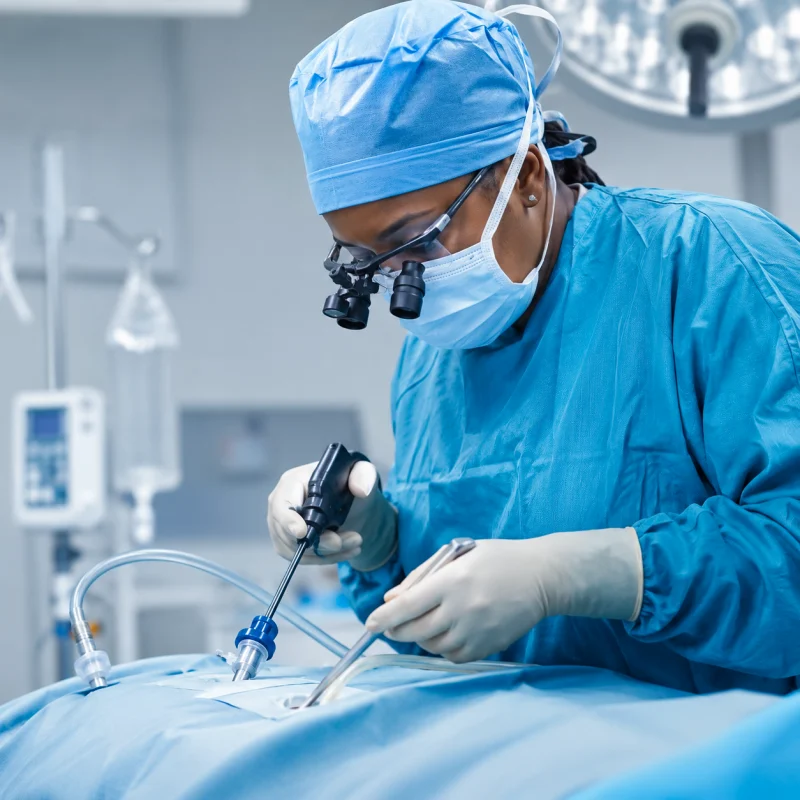
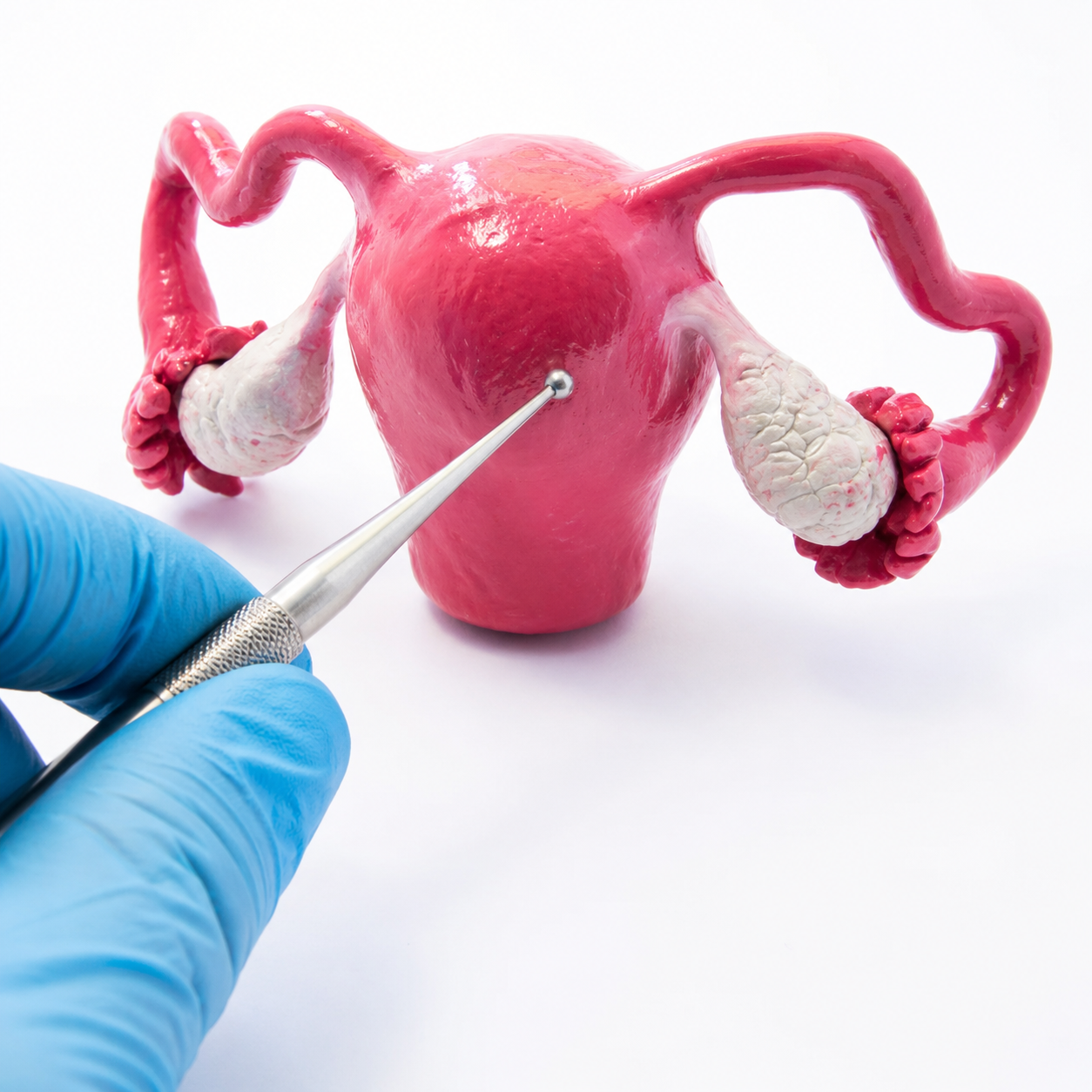
Blossom Maternity & Child Care Hospital provides laparoscopic and hysteroscopic gynecological surgery in Ranchi for selected conditions affecting the uterus, ovaries, fallopian tubes and pelvic organs. These minimally invasive techniques use specialised cameras and fine surgical instruments to diagnose or treat gynecological conditions through small abdominal incisions or through the natural opening of the cervix.
When clinically appropriate, minimally invasive gynecological surgery may help reduce surgical trauma, shorten hospital stay and support an earlier return to routine activity compared with traditional open surgery. The safest approach, however, depends on the diagnosis, the complexity of the condition, previous surgeries, overall health and future fertility goals.
- What Is Minimally Invasive Gynecological Surgery?
Minimally invasive gynecological surgery refers to procedures performed with small incisions or without an abdominal incision. The two most commonly used approaches are laparoscopy and hysteroscopy.
Laparoscopy
During laparoscopy, a thin camera called a laparoscope is introduced through a small abdominal incision, usually near the navel. Additional small incisions may be made for specialised instruments. The camera provides a magnified view of the uterus, ovaries, fallopian tubes and surrounding pelvic structures.
Laparoscopy may be used to diagnose a condition, treat it during the same procedure or perform more complex operations such as ovarian cyst removal, myomectomy, endometriosis surgery or hysterectomy.
Hysteroscopy
During hysteroscopy, a thin camera is passed through the vagina and cervix into the uterine cavity. Because the procedure is performed through the natural opening of the cervix, it generally does not require an abdominal incision.
Hysteroscopy may be used to evaluate or treat conditions inside the uterus, including uterine polyps, selected fibroids, adhesions, uterine septa, retained tissue and some causes of abnormal uterine bleeding.
Our Minimally Invasive Gynecological Services
- Diagnostic and operative laparoscopy
- Diagnostic and operative hysteroscopy
- Laparoscopic ovarian cyst surgery
- Laparoscopic surgery for endometriosis
- Laparoscopic myomectomy for selected fibroids
- Laparoscopic hysterectomy when medically indicated
- Pelvic adhesiolysis
- Treatment of selected ectopic pregnancies
- Hysteroscopic removal of uterine polyps
- Hysteroscopic removal of selected submucosal fibroids
- Treatment of selected uterine septa and adhesions
- Removal of retained tissue or an embedded intrauterine device
- Evaluation of selected infertility-related pelvic conditions
- Conditions That May Be Treated
Minimally invasive gynecological surgery may be considered for:
- Uterine fibroids
- Ovarian cysts
- Endometriosis
- Adenomyosis in selected cases
- Uterine polyps
- Abnormal uterine bleeding
- Ectopic pregnancy
- Pelvic adhesions
- Infertility-related pelvic conditions
- Uterine septum and selected congenital abnormalities
- Retained pregnancy tissue
- Embedded intrauterine devices
- Chronic pelvic pain with a suspected surgical cause
- Hysterectomy when medically indicated
Not every patient with one of these conditions requires surgery. Many gynecological problems can be managed with observation, medicines, hormonal treatment or other non-surgical options. Surgery is considered after reviewing symptoms, examination findings, imaging, previous treatment and the patient’s reproductive plans.
- Conditions That May Be Treated
Minimally invasive gynecological surgery may be considered for:
- Uterine fibroids
- Ovarian cysts
- Endometriosis
- Adenomyosis in selected cases
- Uterine polyps
- Abnormal uterine bleeding
- Ectopic pregnancy
- Pelvic adhesions
- Infertility-related pelvic conditions
- Uterine septum and selected congenital abnormalities
- Retained pregnancy tissue
- Embedded intrauterine devices
- Chronic pelvic pain with a suspected surgical cause
- Hysterectomy when medically indicated
Not every patient with one of these conditions requires surgery. Many gynecological problems can be managed with observation, medicines, hormonal treatment or other non-surgical options. Surgery is considered after reviewing symptoms, examination findings, imaging, previous treatment and the patient’s reproductive plans.
- Diagnostic Laparoscopy
Diagnostic laparoscopy allows the surgeon to directly examine the uterus, fallopian tubes, ovaries and pelvis when ultrasound or other imaging does not fully explain the patient’s symptoms.
It may be considered in selected patients with unexplained pelvic pain, suspected endometriosis, pelvic adhesions, infertility-related concerns or uncertain ovarian and tubal findings. When an abnormality is identified, treatment may sometimes be performed during the same procedure, provided this has been discussed beforehand.
- Laparoscopic Ovarian Cyst Surgery
Many ovarian cysts are benign and may disappear without surgery. A gynecologist may recommend surgery when a cyst is persistent, painful, increasing in size, complex in appearance or associated with a risk of complications.
Where medically appropriate, the surgeon may perform an ovarian cystectomy, which removes the cyst while preserving healthy ovarian tissue. The possibility of preserving the ovary depends on the type, size and location of the cyst, the condition of the surrounding tissue and the findings during surgery.
Patients planning pregnancy should discuss the possible effect of surgery on ovarian reserve and future fertility before the procedure.
- Laparoscopic Surgery for Endometriosis
Endometriosis occurs when tissue similar to the lining of the uterus grows outside the uterus. It can cause pelvic pain, painful periods, pain during intercourse, infertility and other symptoms.
Laparoscopic surgery may be used to identify and remove or destroy visible endometriosis, release adhesions and restore pelvic anatomy where possible. Treatment planning should consider the patient’s symptoms, age, fertility goals, ovarian reserve, disease severity and previous treatment.
Surgery may improve symptoms in suitable patients, but it does not guarantee that endometriosis or pain will never recur. Long-term follow-up and additional medical treatment may still be required.
- Laparoscopic Myomectomy
Myomectomy is an operation that removes fibroids while preserving the uterus. A laparoscopic myomectomy may be suitable for selected patients depending on the number, size, depth and location of the fibroids.
This procedure may be considered when fibroids cause heavy menstrual bleeding, pelvic pressure, pain, infertility-related concerns or distortion of the uterine cavity.
Women planning pregnancy should discuss how the procedure may affect conception, pregnancy monitoring and the recommended mode of delivery in the future. In some cases, open surgery may be safer or more suitable, particularly when fibroids are very large, numerous or deeply embedded in the uterine wall.
- Hysteroscopic Procedures
Hysteroscopy allows direct examination and treatment of abnormalities inside the uterine cavity. It may be recommended for:
- Removal of uterine polyps
- Removal of selected submucosal fibroids
- Evaluation of abnormal uterine bleeding
- Treatment of selected uterine adhesions
- Correction of selected uterine septa
- Removal of retained tissue
- Removal of an embedded intrauterine device
- Evaluation of the uterine cavity in selected infertility cases
Because hysteroscopy usually does not require an abdominal incision, recovery may be relatively quick after many minor procedures. Recovery still varies according to the exact procedure, anaesthesia used and the patient’s overall health.
- What Happens During Laparoscopic Surgery?
Before surgery, the patient receives anaesthesia according to the planned procedure. During laparoscopy, the surgeon makes one or more small abdominal incisions and introduces a camera and fine instruments.
Carbon dioxide gas is used to gently expand the abdomen so that the pelvic organs can be viewed clearly. The surgeon then performs the planned procedure, such as removing a cyst, fibroid, endometriosis or adhesions.
After the procedure, the instruments are removed and the small incisions are closed. The duration of surgery depends on the condition being treated and the complexity of the operation.
- Potential Benefits of Minimally Invasive Surgery
For appropriately selected patients, laparoscopic and hysteroscopic surgery may offer several advantages compared with open abdominal surgery.
Potential benefits may include:
- Smaller incisions
- Less postoperative discomfort in suitable cases
- Shorter hospital stay
- Earlier return to routine activity
- Reduced wound-related complications
- Smaller scars
- Better visualisation of selected pelvic structures
These benefits are not guaranteed. Some patients may still require open surgery, and a planned minimally invasive procedure may occasionally need to be converted to an open operation if this is considered safer during surgery.
- Is Minimally Invasive Surgery Suitable for Everyone?
Minimally invasive surgery is not the best approach for every patient or every condition.
Open surgery may be recommended when there are:
- Very large pelvic masses or fibroids
- Extensive adhesions from previous surgery
- Suspected or confirmed cancer
- Severe or uncontrolled bleeding
- Complex anatomical findings
- Medical conditions that make laparoscopy unsuitable
- Situations where open access is considered safer
The surgeon recommends the approach that offers the best balance of safety, effectiveness and long-term outcome.
- Preparing for Gynecological Surgery
Before surgery, the medical team reviews the diagnosis, symptoms, previous treatment, medicines, allergies and overall health. Preoperative assessment helps determine whether the planned procedure is appropriate and whether any additional precautions are required.
Evaluation may include:
- Physical and gynecological examination
- Ultrasound or other imaging
- Blood tests
- Pregnancy testing where applicable
- Anaesthetic assessment
- Review of medicines and allergies
- Assessment of diabetes, hypertension or other medical conditions
- Discussion of fertility and pregnancy plans
- Explanation of surgical alternatives, risks and expected recovery
Patients should inform the doctor about blood-thinning medicines, previous anaesthesia problems, allergies and any possibility of pregnancy. Medicines should not be stopped unless advised by the treating doctor.
- Recovery After Surgery
Recovery depends on the type and complexity of surgery, the anaesthesia used, the patient’s general health and whether additional procedures were required.
Minor hysteroscopic procedures may involve a relatively short recovery, while laparoscopic myomectomy, hysterectomy or complex endometriosis surgery may require more time.
Patients generally receive personalised written instructions regarding:
- Medicines and pain relief
- Wound care
- Bathing and hygiene
- Diet and hydration
- Walking and physical activity
- Return to work
- Driving
- Sexual activity
- Follow-up appointments
Gentle walking may be encouraged after surgery, while heavy lifting and strenuous activity should be avoided until the surgeon confirms that it is safe.
- Warning Signs After Surgery
Seek prompt medical attention after gynecological surgery if you experience:
- Heavy vaginal bleeding
- Severe or worsening abdominal or pelvic pain
- High fever or chills
- Fainting or severe weakness
- Chest pain or breathing difficulty
- Persistent vomiting
- Increasing abdominal swelling
- Redness, swelling, bleeding or discharge from an incision
- Difficulty passing urine
- Any sudden or concerning deterioration
Do not delay medical evaluation when symptoms are severe or rapidly worsening.
- Fertility and Minimally Invasive Surgery
Some minimally invasive procedures may improve fertility by treating uterine polyps, selected fibroids, endometriosis, adhesions or abnormalities of the uterine cavity.
Other procedures may affect ovarian reserve, the uterus or future pregnancy planning. The effect depends on the condition, the extent of surgery and the patient’s reproductive goals.
Patients who wish to become pregnant in the future should discuss fertility preservation, ovarian reserve, expected recovery and the appropriate timing of pregnancy before surgery.
- Why Choose Blossom for Laparoscopic and Hysteroscopic Surgery?
Blossom Maternity & Child Care Hospital offers coordinated gynecology, fertility, pregnancy, fetal medicine, neonatal and pediatric services under one healthcare system. This multidisciplinary approach is particularly valuable when surgical treatment may affect fertility or future pregnancy.
Our gynecology team evaluates each patient individually and recommends surgery only when it is clinically appropriate. The treatment plan is based on the diagnosis, symptom severity, previous treatment, medical fitness and personal reproductive goals.
At Blossom, patients receive:
- Individualised surgical assessment
- Laparoscopic and hysteroscopic treatment options
- Fertility-conscious treatment planning
- Preoperative counselling
- Anaesthesia and hospital support
- Postoperative follow-up
- Access to fertility and pregnancy specialists when required
- Coordinated women’s healthcare under one roof
Frequently Asked Questions
Is laparoscopic surgery always better than open surgery?
No. Laparoscopy offers important advantages in many suitable cases, but open surgery may be safer or more effective for very large masses, extensive adhesions, suspected cancer, uncontrolled bleeding or other complex conditions.
Is laparoscopic surgery painful?
Laparoscopic surgery is performed under anaesthesia. Some pain, bloating or shoulder discomfort may occur after the operation. Many patients experience less postoperative discomfort than after open surgery, but pain levels vary according to the procedure and individual recovery.
Will I need general anaesthesia?
Most laparoscopic gynecological operations require general anaesthesia. Hysteroscopic procedures may use local, regional or general anaesthesia depending on the type of procedure, complexity and patient factors.
How long does laparoscopic surgery take?
The duration depends on the procedure and surgical complexity. A diagnostic laparoscopy may take less time than a myomectomy, hysterectomy or complex endometriosis operation. The surgeon can provide an estimated duration after evaluating the condition.
How soon can I return to work?
Return to work depends on the procedure performed, the type of work and the patient’s recovery. Minor hysteroscopy may require only a short recovery, while complex laparoscopy or hysterectomy may require several weeks.
Can fibroids be removed without removing the uterus?
Yes, in suitable patients. Myomectomy removes selected fibroids while preserving the uterus. Suitability depends on the number, size, depth and location of the fibroids and the patient’s fertility goals.
Can minimally invasive surgery improve fertility?
Some procedures may improve fertility by treating polyps, selected fibroids, endometriosis, adhesions or abnormalities of the uterine cavity. The likely benefit depends on the individual diagnosis and other fertility factors.
Can laparoscopic surgery affect ovarian reserve?
Surgery involving the ovaries may affect ovarian reserve, particularly when cysts or endometriosis are extensive. Patients planning pregnancy should discuss this risk and possible fertility-preservation options before surgery.
Can a laparoscopic procedure be converted to open surgery?
Yes. Conversion may be required if there is unexpected bleeding, extensive adhesions, difficult anatomy or another safety concern. The possibility should be discussed during preoperative counselling.
What are the warning signs after gynecological surgery?
Heavy bleeding, increasing pain, high fever, fainting, chest pain, breathing difficulty, persistent vomiting or redness and discharge from an incision require prompt medical advice.
Disclaimer: Results and patient experiences may vary. These are dependent on a number of factors including age, medical history, lifestyle and more. The surgical approach, investigations, hospital stay and recovery period vary according to the diagnosis, procedure, overall health, previous surgery and individual risk factors. A gynecologist must assess the patient before recommending minimally invasive or open surgery.